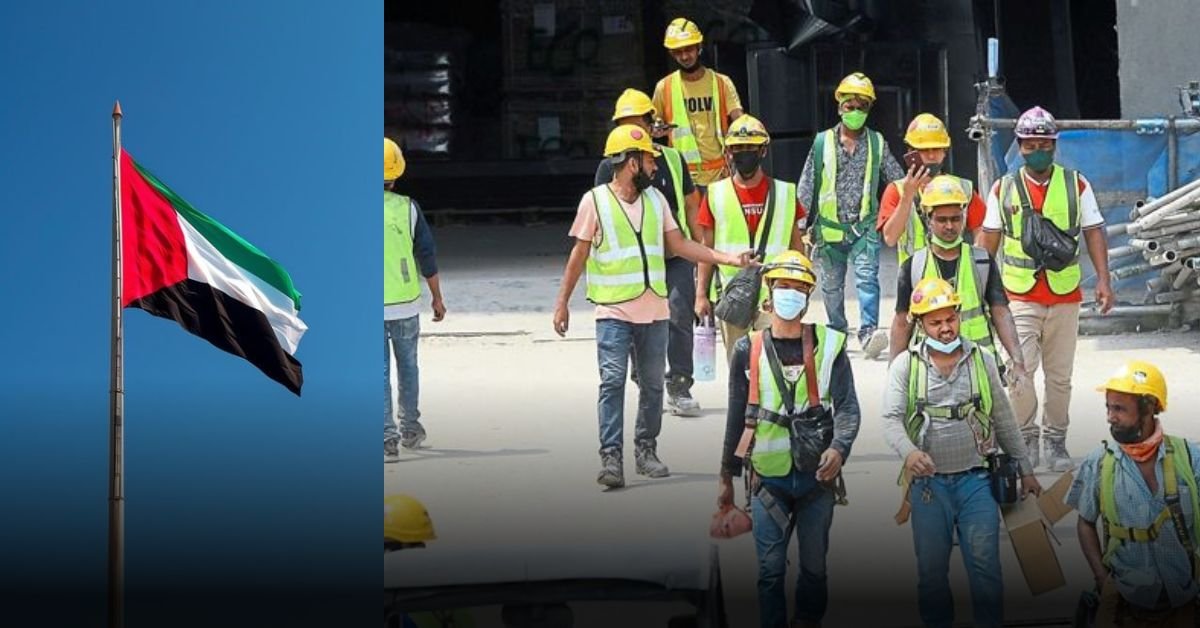
The UAE is a place of fast economic growth and new technology. It keeps changing its visa rules to bring in the best workers from around the world. With new visas like the Green Visa and Golden Visa, it is now easier and more attractive for foreign workers (people not from GCC countries) to get work visa sponsorship in cities like Dubai and Abu Dhabi.
This simple guide follows good standards. It explains the main UAE work visa rules for 2025. It shows jobs that many people want. It also tells about new ways for skilled workers to get a job with no tax on salary and a good career in the UAE.
The New Labour Landscape: Key 2025 Visa Reforms
The base of the UAE’s new work world is the New Labour Law. This is Federal Decree-Law No. 33 of 2021. These changes focus on flexible ways to work and better movement for workers. It helps qualified people move up in their jobs.
The law makes work fair. It protects workers and employers. It allows different types of contracts, like part-time or full-time. Workers can now change jobs more easily after their first contract ends. This gives more freedom. Many people come to the UAE for good pay and a safe life. The new rules make it simple to start a career here. Companies in free zones like Dubai like these changes. They can hire fast. Workers feel safe with clear rules.
New Visa Categories You Need to Know
There are new types of visas. Each has its own rules and benefits. Here they are in a simple table:
| Visa Type | Primary Eligibility | Key Feature & Authority |
|---|---|---|
| Green Visa (Self-Sponsorship) | Skilled Workers with a minimum bachelor’s degree and a salary above AED 15,000. Freelancers and investors may also qualify. | Offers self-sponsorship without a company sponsor, reducing dependency on a single Employer’s Role. Valid for 5 years. |
| Golden Visa | Highly specialized talents (e.g., AI Specialist, Doctors), entrepreneurs, and large investors. | Long-term residency (5 or 10 years). End of Mandatory Sponsorship for the individual. |
| Standard Residence Visa | Sponsored by a UAE-based entity (either a company in the Private Sector or a Free Zones authority, e.g., DMCC, DIFC). | The most common route. Tied to the employee’s Work Permit and Labour Contract. |
The Green Visa is great for people who want to work on their own. You do not need a company to sponsor you. If you have a degree and good salary, you can apply yourself. Freelancers love this. They can work with many clients. Investors can also use it. It lasts five years. You can renew it.
The Golden Visa is for very special people. Think of experts in AI or doctors. Or people who start big businesses. Or those who invest a lot of money. It gives residency for five or ten years. No need for a sponsor after you get it. This visa helps the UAE grow in new areas like tech and health.
The Standard Residence Visa is the usual one. A company in the UAE sponsors you. It can be a private company or a free zone like DMCC or DIFC. You need a work permit and a contract. It is tied to your job. Most foreign workers use this path. It is simple if you have a job offer.
These visas make the UAE open to talent. You can live with your family in some cases. Kids can go to school. Life is good in Dubai or Abu Dhabi.
High-Demand Jobs: Opportunities Driving Economic Diversification
The UAE wants to grow in many areas, not just oil and gas. It focuses on new tech, green energy, and more. This creates many jobs for foreign workers.
Here are the top sectors that hire people from outside:
- Information Technology (IT) / Digital Economy: This is the fastest growing part. Jobs like Software Developer, Cybersecurity specialist, FinTech expert, and people in Cloud Computing and E-commerce are needed a lot. Companies build apps and online shops. They need coders and security experts. Dubai wants to be a smart city. So, IT jobs pay well.
- Finance & Banking: Free zones like DIFC help this grow. Roles like Financial Analyst, Investment Banking, and Wealth Management are open. Banks handle money from all over the world. Analysts study markets. Wealth managers help rich people.
- Healthcare: There is always need for Nurses, Doctors, and other Medical Professionals. Hospitals grow in public and private areas. The UAE wants best health care. Doctors from other countries come here. Nurses help in big hospitals.
- Construction & Real Estate: Big projects in Dubai and Abu Dhabi need workers. Jobs like Project Manager, Civil Engineer, and Skilled Labourers are common. New buildings, roads, and malls are built every day. Engineers plan them. Labourers do the work.
- Energy & Sustainability: The UAE cares about clean energy. Jobs in Renewable Energy and green tech are important. Experts in solar power or wind energy help meet climate goals. This sector grows fast.
These jobs help the UAE change its economy. Oil is still there, but new areas bring more money. Foreign workers fill these roles. They bring skills from home. Companies train them more. Salaries are tax-free. You save a lot. Living cost is high, but pay is good.
The Classification System and Salary Requirements
The Ministry of Human Resources and Emiratisation (MoHRE) puts workers in groups. This is based on education. It sets minimum salary.
Here is a simple table:
| Classification | Education Level | Minimum Salary (Approx.) |
|---|---|---|
| Skilled Workers (Tier 1) | University Degree (or equivalent) | Minimum AED 12,000 – 15,000+ |
| Semi-Skilled Workers (Tier 2) | Diploma / Technical Certification | Minimum AED 7,000 – 10,000+ |
Tier 1 is for people with degrees. They get higher pay. Tier 2 is for those with diplomas. Pay is lower but still good. Salary helps get visa. Higher pay means better visa type. Check your job level. It affects family visa too.
Work Visa Application Process (Standard Employer Sponsorship)
Most people use sponsor from employer. It has two parts: Work Permit and Residence Visa.
Obtaining the Work Permit (MoHRE)
- Job Offer: Get a job offer first. Sign a simple contract.
- Employer Submission: Your boss applies to MoHRE for the work permit.
- Labour Contract: When approved, sign the full contract. MoHRE registers it.
This phase is quick if papers are ready. Employer does most work. You wait for approval.
Obtaining the Residence Visa (ICP)
- Entry Permit: Boss applies for entry permit. You can come to UAE.
- Medical & Biometrics: After you arrive, do medical test. It checks health. Give fingerprints. Sometimes need police paper for clean record.
- Final Visa: ICP gives the residence visa. It lasts 2-3 years. You get Emirates ID card.
The whole process takes weeks. Start early. Employer helps with all steps.
Crucial Labor Tip: The New Labour Law removed the need for a paper NOC to change jobs after first contract. You can switch easier in private sector. Just finish your duties.
This tip helps workers. No fear of old boss. Move to better job. UAE wants happy workers.
Stay Updated: Key Compliance Checks
- Unemployment Insurance: Most private workers must pay small amount each month. It helps if you lose job.
- Emiratisation: This plan puts UAE nationals in jobs. But it makes need for foreign experts to teach locals.
- Validity: Check your visa end date. Renew early with ICP.
Follow rules. Pay fines if late. Use apps for updates. MoHRE and ICP have websites.
The UAE is safe for workers. Know your rights. Contract has hours, leave, and pay. Gratuity at end of job. Health insurance from employer.
For families, sponsor spouse and kids. They get visas too. Schools are good. Life is modern.
In 2025, more changes may come. Watch news. Talk to experts.
Disclaimer:
This article is for information and learning only. Check facts, like salary and steps, from government sites. Use Ministry of Human Resources and Emiratisation (MoHRE) and Federal Authority for Identity, Citizenship, Customs & Port Security (ICP). Do this before you decide.