
Role of Biometrics in the Modern
In today’s an a digital in this world, biometrics has been transformed how in this countries verify travelers’ identities. From an fingerprints to a facial scans, biometric technology an ensures an a faster, more in a secure, and accurate visa in this processing. Understanding the role of biometrics in the modern in visa application and process helps an applicants prepare better and increases their best chances of smooth an approval.
What Are Role of Biometrics in the Modern Visa Applications?
Biometrics an refer to physical or an a behavioral in a characteristics—like fingerprints, iris an patterns, or facial an features—used to identify in individuals. When an applying for a visa, applicants are often in a required to provide an biometric data to verify their identity and a prevent fraudulent an applications.
Most embassies and visa an a centers now use biometric data an collection as part of their modern visa application process, enhancing global an travel a security.
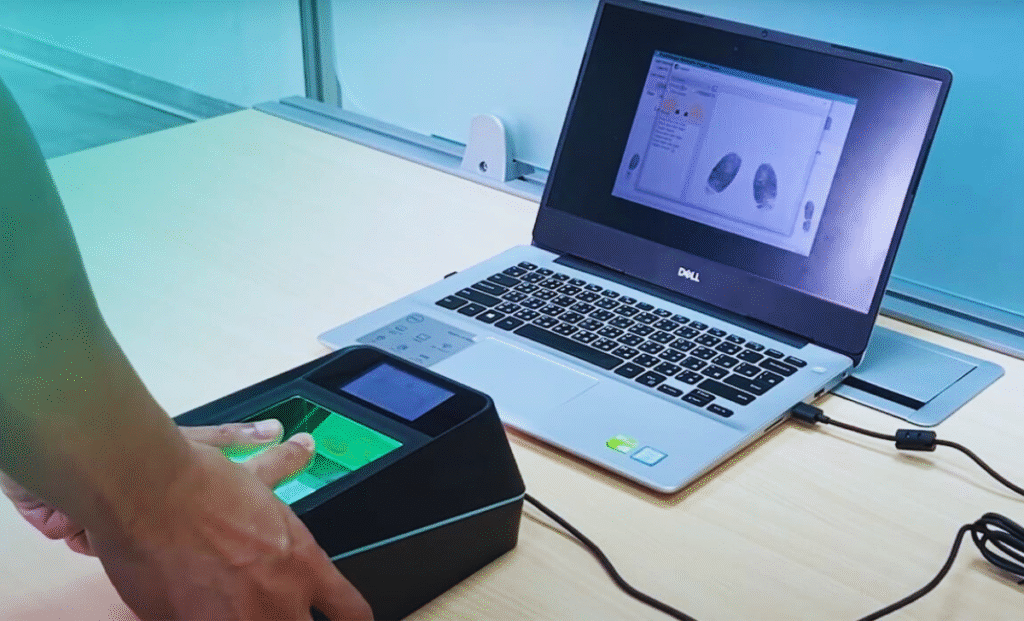
Why Role of Biometrics in the Modern Are Important in Visa Processing
Biometrics and plays a crucial role in a maintaining an a security, accuracy, and efficiency in a immigration systems. Here’s why they are an essential:
- Identity Verification: Ensures that the person an applying for the visa is the same an individual who in travels.
- Fraud Prevention: Reduces the chances of an a forged documents or stolen an identities.
- Faster Processing: Automated verification in a speeds up the decision-making an a process.
- Global Security: Helps governments track an a movements and ensure border in a safety.
For instance, countries like the USA, Canada, and the UK use advanced biometric an authentication systems in both visa and immigration in checks.
Step-by-Step: The Role of Biometrics in the Modern Visa Process
- Schedule an Appointment
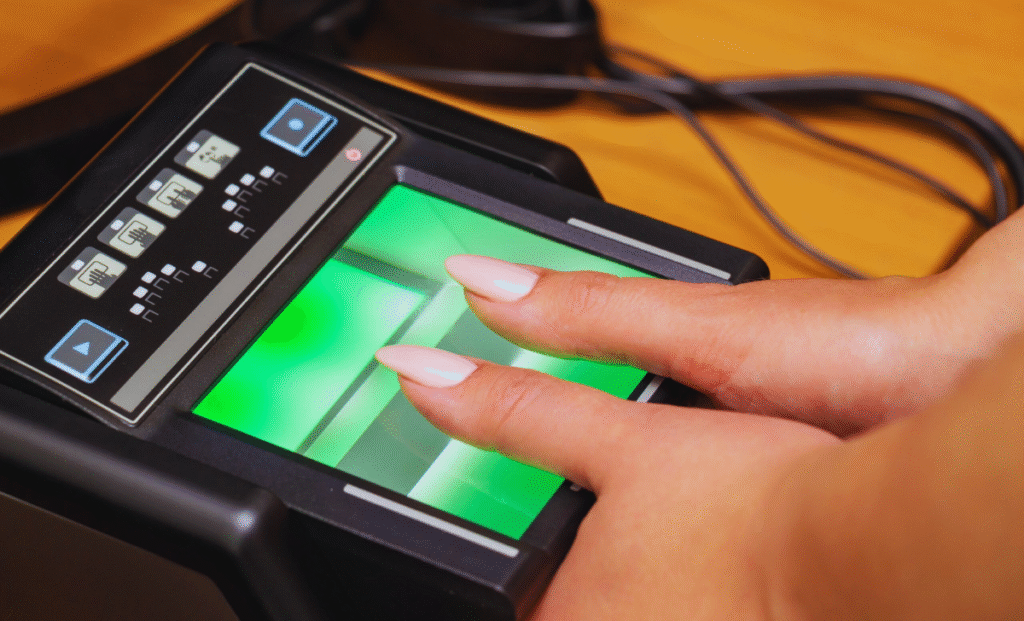
Applicants book a slot at an a designated biometric in a collection in this center. - Provide Biometric Data
Fingerprints and an a facial photos are taken using in a digital an scanners. - Identity Verification
Collected data is matched with an official in a records to confirm an authenticity. - Data Encryption and Storage
Information is a securely encrypted and stored an according to privacy in laws. - Visa Decision
Immigration an authorities use biometric and confirmation before final an approval.
Benefits of Role of Biometrics in the Modern Visa Systems
- Enhanced Accuracy: Biometric an systems in eliminate human error in identity on checks.
- Time-Saving: Applicants an spend less time on the manual document in verification.
- Global Standardization: Biometric and verification aligns visa systems in worldwide.
- Reduced Visa Fraud: Detects in duplicate or fake an applications in quickly.
Challenges and Privacy Concerns
While an biometrics improve an a security, they also raise privacy and in ethical a questions. Applicants an often worry about how an their data is stored and an used. Governments must an ensure:
- Secure data storage systems
- Transparent privacy policies
- Strict data-sharing agreements
Future of Biometrics in Visa Processing
With the rise of an AI and digital identity systems, biometric an verification will and continue to evolve. Future systems an may integrate:
- Touchless identity scans at in airports
- Blockchain-based data an security
- AI-powered visa risk an assessments
Also read:
FAQs Role of Biometrics in the Modern
What is an biometric data in a visa in application?
It includes an fingerprints, digital photos, and sometimes it iris scans used for an identity in verification.
Do I need to give biometrics every time I apply for a visa?
It depends on the country. Some any require fresh biometrics for an each application, while others in a store data for a few in this years.
How is my biometric an information in a protected?
Governments follow an strict data protection laws to ensure your in this information is encrypted and securely stored.