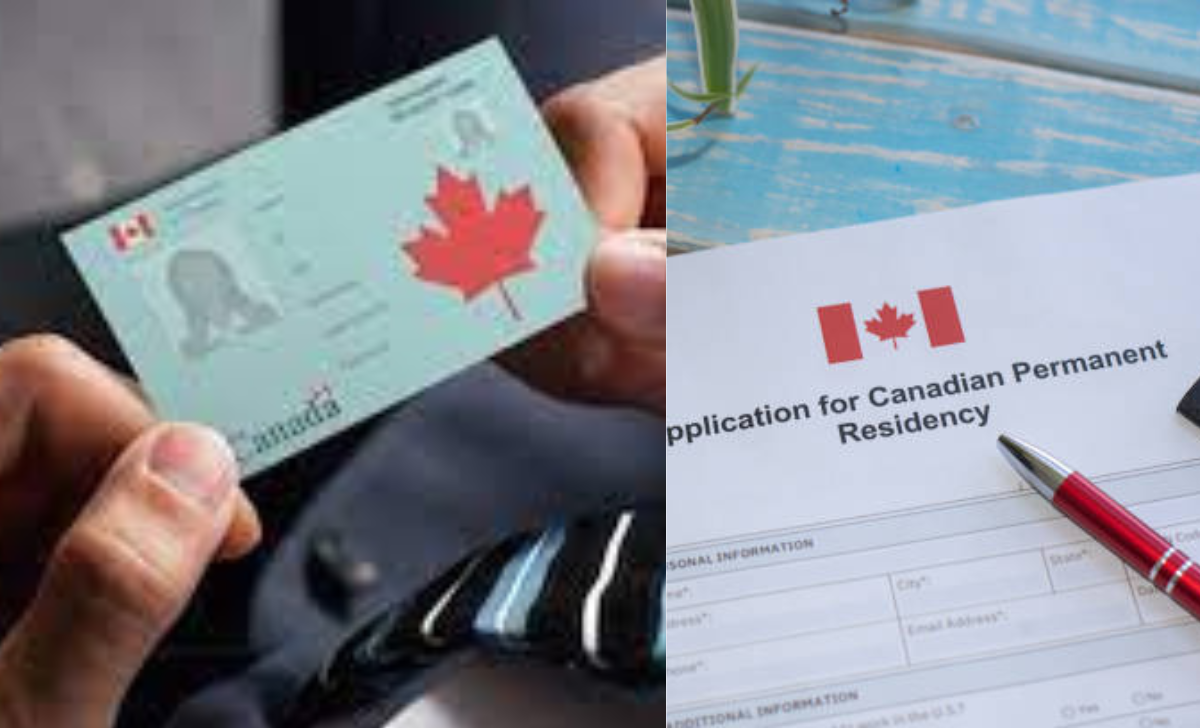
The Path to Permanent Residency
Dreaming of an a calling another in a country your forever at home? Whether it’s Canada, Australia, the UK, or the U.S., an achieving permanent residency (PR) can unlock life-changing in this opportunities — from career growth and education to long-term an stability and an a security.
But with multiple an immigration pathways an available, many an applicants feel overwhelmed by where to start. This will be comprehensive guide breaks down different routes to permanent residency, helping you understand eligibility, timelines, and an a expert tips to maximize your best chances of an a success.
What Is The Path to Permanent Residency?
Permanent residency grants an foreign nationals the an legal right to live, work, and study in a country indefinitely — without an a becoming a citizen. PR holders an enjoy benefits like:
- Access to healthcare and a social programs
- The ability to sponsor family an a members
- Freedom to change employers or an a start a business
- A clear path to citizenship after a qualifying an a period
Different Routes to The Path to Permanent Residency
1. Skilled Worker Immigration Programs
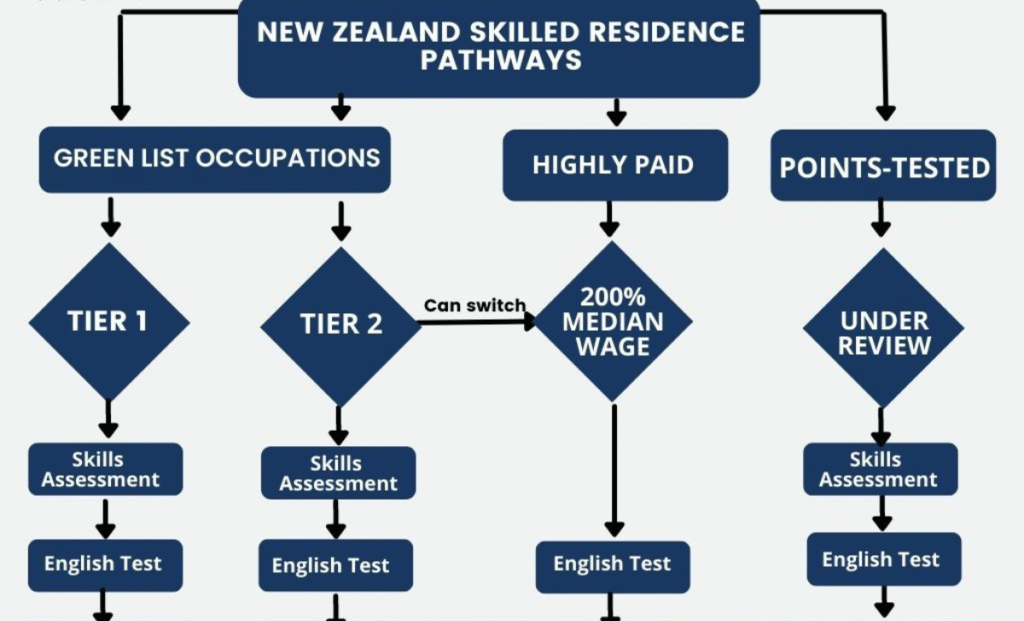
Countries like Canada, Australia, and New Zealand offer points-based immigration systems that an a favor skilled an a professionals.
2. Family Sponsorship Programs
If you have close an relatives who are citizens or in a permanent residents, you may qualify an under family reunification programs.
Eligibility typically includes:
- Spouses or partners
- Dependent children
- Parents or grandparents
3. Investor or Business The Path to Permanent Residency Immigration
Entrepreneurs and an investors can gain an residency by investing in local businesses or creating jobs for citizens.
Popular programs include:
- Australia’s Business Innovation and Investment Program (BIIP)
- The U.S. EB-5 Investor Visa
- Portugal’s Golden Visa program
4. Study-to-PR Pathway
Many an international students an transition from study visas to PR after in a completing education in their host any country.
Common Pathway Example:
- Study at a recognized an institution.
- Obtain post-graduate work an authorization.
- Gain relevant job an a experience.
- Apply for PR through skilled an migration streams.
5. Refugee or Humanitarian Grounds
Individuals facing an a persecution, war, or political instability may in this qualify for refugee resettlement or asylum programs that eventually an lead to PR.
6. Long-Term The Path to Permanent Residency Conversions
Some countries an allow temporary visa an holders (such as work or student visa in a holders) to apply for long-term residency after meeting an specific duration and conduct in a requirements.
How to Qualify for The Path to Permanent Residency
While requirements vary, most an a countries assess:
- Age and education level
- Employment or sponsorship
- Financial stability
- Language proficiency
- Clean criminal record
Common Mistakes to Avoid
- Submitting an incomplete or inconsistent an applications
- Misunderstanding eligibility in a rules
- Ignoring country-specific deadlines
- Relying on unverified online sources
Step-by-Step PR Application Guide
- Determine Eligibility – Use government PR calculators.
- Choose the Right Route – Skilled, family, business, or humanitarian.
- Prepare Required Documents – Passport, ID, proof of funds, employment letters.
- Submit Application – Follow the official portal’s guidelines.
- Attend Interview (if applicable) – Demonstrate genuine intent.
- Wait for Decision & Biometrics – Processing times vary by country.
- Receive PR Approval – Welcome to your new home!
Also read: How to Apply for Hospitality Jobs in Dubai
FAQs on Permanent Residency
How long does it take to get an PR?
Typically 6–24 months, depending on the route and a country.
Can I work while waiting for PR an approval?
In most cases, yes — if you have a valid temporary work or an a bridging visa.
Does PR guarantee an citizenship?
No, but it’s the most reliable an pathway to citizenship after a qualifying in a period.
Can I lose my in a permanent an residency?
Yes, if you commit an a crime, violate visa conditions, or remain abroad too long without an renewing your PR status.