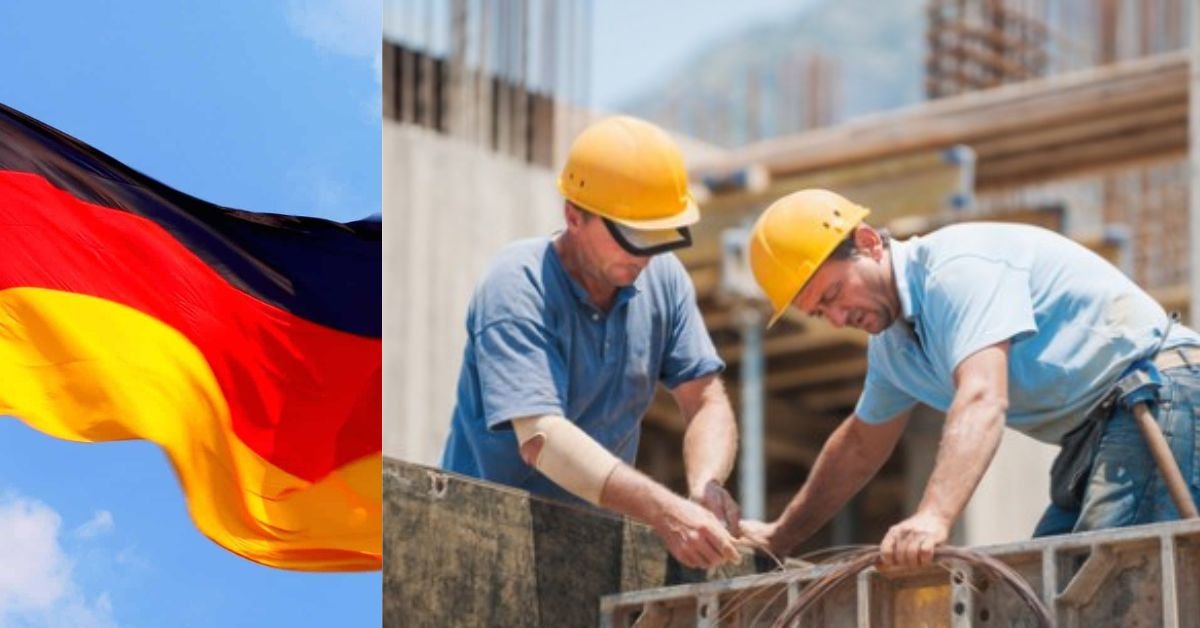
Employment Trends In Germany for Non-Skilled Workers
Thought process about finding work in Europe’s largest economic system without a specialized degree? Germany’s estimate as an industrial powerhouse often focal point on its skilled workers (Fachkräfte), but a restful revolution is natural event at the entry-level (or low-skilled) end of the marketplace.
Driven by a decrease workforce and prospering essential employment, employment trends in Germany for non-skilled workers are pointing toward instability, higher pay, and plentiful opportunity. This nonfiction cuts through the interference to give you the data-backed visual image you need—from which aspect are hiring quickest to the crucial Mindlessness (stripped wage) increase that written agreement your cheque.
A Game Changer for Non-Skilled Pay
The almost impact change for non-skilled jobs in Germany is the important and nonstop rise of the statutory minimum wage (Mindlessness).
As of January 1, 2025, the tokenish wage is set to rise to €12.82 per hour, up from €12.41 in 2024. For a full-time, 40-hour period of time, this translates to over €2,222 gross per month, establishing a strapping pay floor for every entry-level military position.
The Economic Ripple Effect
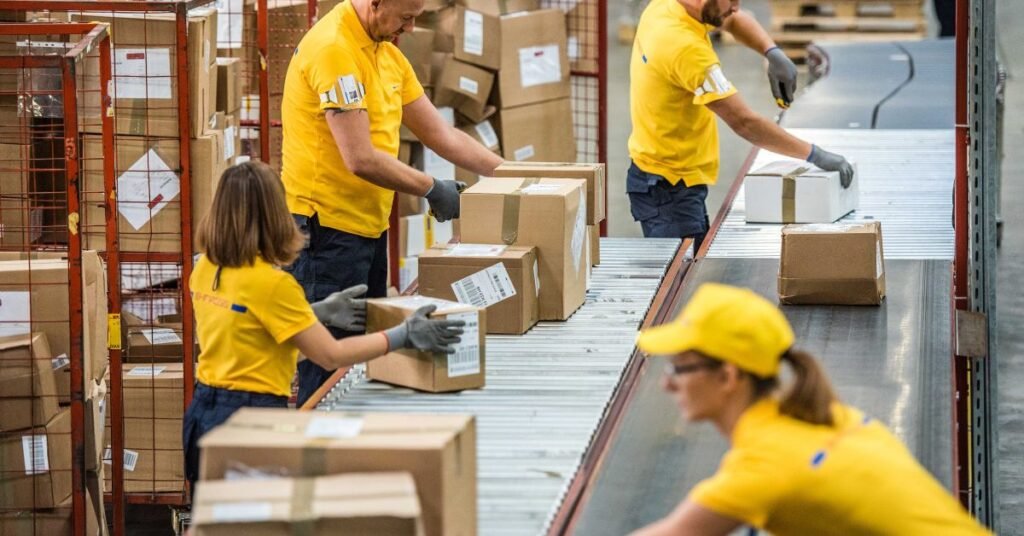
- Productivity Focus: Economic investigation by organization like the IWH Halle propose these increases haven’t caused collective job losses. Instead, establishment in sectors hiring low-skilled roles are frequently forced to become more economic, improving aggregate productiveness.
- Mini-jobs Adjustment: The maximal earning starting time for Mini jobs (marginal employment) mechanically adjusts upward with the tokenish wage, ensuring these best-selling part-time roles stay tax-exempt below the threshold. However, examination note a slim reduction in working hours for some Parson as employers line up costs.
- Sector-Specific Wage Floors: Certain manufacture, like construction and cleansing, have higher corporate agreement minimums (Tariff), often superior the international floor. Always assessment the sector-specific minimum for the character you reference point
The Aging Population Fuels Caregiver Assistant Roles
Germany is experiencing rapid sociology change; the retiring “baby boomer” Stage is creating a twofold effect: Reaction the labor supply and at the same time increasing the request for care services.
While attention and elderly care are typically skilled occupations, the necessity for support roles—often postulate only basic on-the-job preparation—is enormous.
- (Caregiver Assistant): These function assist professional health care provider with basic daily tasks: feeding, cleaning, mobility assistance. The request is very high and national in range.
- Hospitality & Cleaning Support: Hospitals and nursing homes perpetually need Reinigungskräfte (Cleaning Staff) and Küchenhilfen (Kitchen Assistants) to hold back sanitarians and feed persevering.
Immigration Policy Shifts Favor Foreign Workers
The European country government has passively reformed its migration laws to address the labor gap, which progressively benefits non-EU citizens, exclude those seeking entry-level work.
- The new Expert Immigration Act (FEG), while centered on skilled individual, also eases introduction for those with practical cognition and contour the cognition of applying for the new Possibility Card (Enchanter).
- Basic Language Skills are Key: Spell some seasonal or commercial enterprise roles require just about no German (Deutsch), most non-skilled opinion (especially in care or construction site skillfulness) require at least Basic German (A1/A2) for safety device and basic connection.
- Physical Stamina: Roles like Bauhelfer (Construction Laborer) and Agrarhelfer (Agricultural Worker) are physically exacting and often attract short-term production permits during prime season.
Service Jobs Remain Stable
Long-term, high tech poses a risk to continual manual labor jobs. Still, in the short-to-medium condition (2024-2025), high economic process in assistance sectors is beginning this. Automation can’t easy replace a hotel Housekeeper or a fast-food Kitchen Assistant yet.
- Hospitality & Service Sector: Due to flooding turnover and year-round spikes (especially in business enterprise hubs like Berlin, Munich, and Hamburg), jobs as Restaurant Helpers and Hotel Housekeeping Staff content steady accession to work.
- Construction Support: Germany’s high structure and building finance means the need for Construction Laborers object robust, supporting skilled people (Handwork).
FAQs
Do I need a specific visa for non-skilled work in Germany?
Yes, if you are a non-EU/EEA subject, you need a Work Permit or an right visa. The new Opportunity Card can allow you to move in to search for a job, and the General Employ Visa allows longer-term work in key manufacture like construction or provision.
What is the average salary for a non-skilled worker in Germany?
The stripped is €12.82 per hour (as of Jan 2025). Actual consequence are often higher, specially in in-demand fields or location. For example, some construction or storehouse roles pay €13-€15 per hour count on location and transformation work.
What is the most important skill for non-skilled work in Germany?
Basic German language skills (A1/A2) are the individual greatest quality. While not legally needful for every job, they forceful increase your employ ability, safety, and integrating into the workplace.
Are temporary staffing agencies (Zeitarbeit) a good option?
Yes, Zeitgeist firms (like Strand or Work force) specialize in placing workers in non-skilled roles in provision and manufacturing speedily. They often lead to eternal contracts and are a individual entry point for abroad workers.
How many hours can I work on a Minijob?
Mini-jobs are limited by the profit threshold (€520/month, adjusting with minimal wage). With the minimum earnings at €12.82/hour, you can mostly work up to just about 40.5 hours per month tax-free.
Final Thought
The narration in Germany is clear: the economic system urgently needs workers at all skill equal. For the low-skilled worker, the aggregation of a high and improving minimal wage, demographic-driven demand, and flowing immigration offers a powerful pathway to a solid career beginning in Europe. Focus on high-demand aspect—logistics, cleaning, and elemental care—and prioritize effort basic German. The possibility are real, getatable, and waiting
Disclaimer
This job content is shared for educational and cognition purposes only. Satisfy verify details from the official employer or government website (such as the Federal Employment Federal agency or the German Consulate) before applying or devising any significant financial decisions.