The Future of Unskilled Jobs for Foreign Workers
If Are You Looking For Looking For a Jobs For a The Future of Unskilled Jobs for Foreign Workers The future of the unskilled jobs for the foreign workers is at in a pivotal to the crossroads. Within the rapid for the an advancements in the new technology, evolving to the labor policies, and an increasing for the demand for the construction labor, many are foreign workers jobs in entry-level positions are the wondering how their are roles will be an adapt.
This is a article to the an explores how these are changes will be an impact job for the top of great and strong opportunities and the industries that are depend on the unskilled labor. From the labor shortages to the emerging from the an automation trends, we’ll look at in the what the future holds for the foreign workers into the unskilled jobs.
The Shifting Landscape of The Future of Unskilled Jobs for Foreign Workers
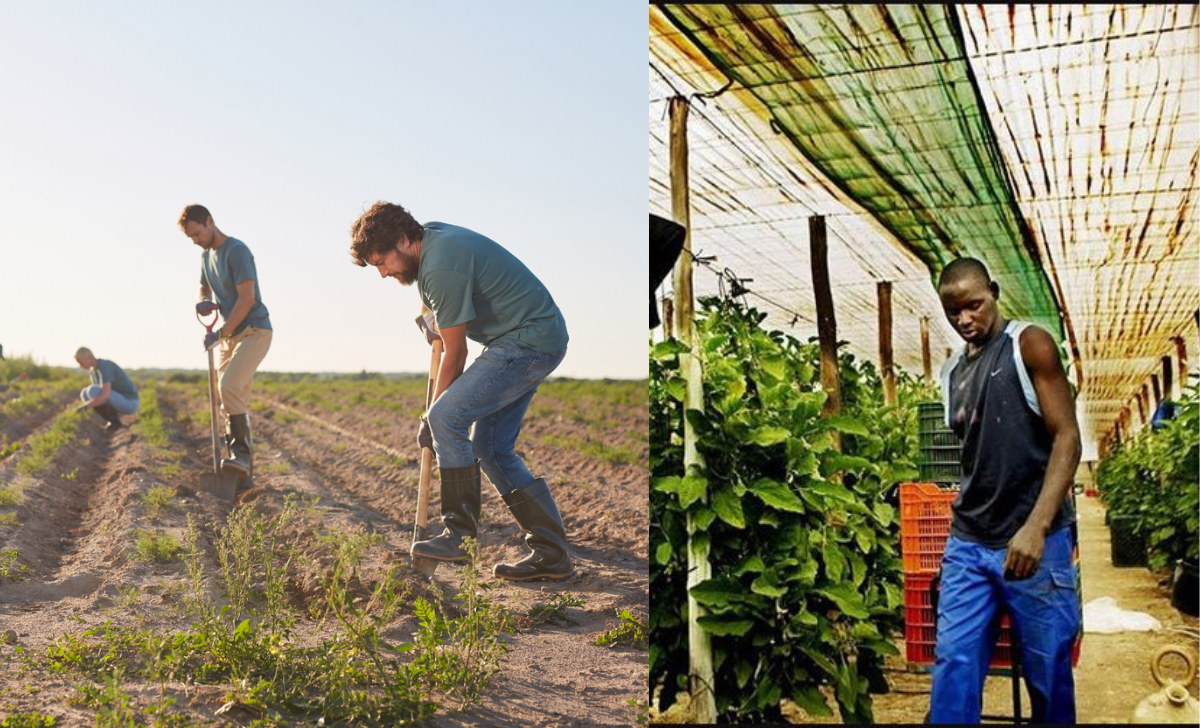
For decades, migrant workers have filled critical unskilled roles in industries like construction, agriculture, and hospitality. These jobs have often provided vital support in growing economies, especially in regions with labor shortages. But what happens when technology and policy changes start to reshape these industries? How will foreign workers adapt to an environment where their roles might be automated, and labor laws could change?

In this article, we’ll take a deep dive into the future of unskilled jobs for foreign workers, addressing these concerns while providing insights into how workers, employers, and governments are preparing for the shifts ahead.
Why Are The Future of Unskilled Jobs for Foreign Workers?
Unskilled jobs, or entry-level positions, are a cornerstone for many foreign workers seeking employment abroad. These roles often require minimal formal education and serve as a gateway for immigrants to support their families, build better futures, and integrate into new societies. Here’s why these jobs matter:
- Economic Stability: Unskilled jobs provide essential income for migrant workers who may not have access to higher-skilled employment due to language barriers, qualifications, or local work experience.
- Industry Demand: The construction, manufacturing, and agricultural sectors heavily rely on migrant workers to meet labor demands that are often difficult to fill locally.
- Cultural Integration: These jobs also offer foreign workers an entry point into new communities, helping them adapt and contribute to their host countries.
Current Trends in Foreign Labor Markets The Future of Unskilled Jobs for Foreign Workers
Labor Shortages and High Demand for The Future of Unskilled Jobs for Foreign Workers
A significant trend shaping the future of unskilled jobs is the ongoing construction labor shortage in countries like the United States, Canada, and Australia. With the global economy bouncing back from the pandemic, the demand for unskilled workers—especially in construction—has surged. This trend is projected to continue as more infrastructure projects are launched and economic recovery gains momentum.
For instance, the U.S. construction industry alone has experienced a growing shortage of skilled and unskilled laborers. According to the National Association of Home Builders, there is a persistent gap in construction jobs, with many construction companies depending on foreign workers to fill these positions.
Entry-Level The Future of Unskilled Jobs for Foreign Workers in Demand
From general construction laborers to migrant farmworkers, demand for entry-level, unskilled workers continues to rise. As automation in construction and agriculture increases, however, these roles will evolve. Here’s how:
- Automation in Construction: Robotics, drones, and AI-driven machinery are transforming the construction landscape, streamlining tasks that once required manual labor. While this could reduce the demand for traditional unskilled labor, it also opens up opportunities for workers to transition into more technical roles.
- AI-Powered Agriculture: With the rise of automated harvesting machinery, fewer workers may be needed in the fields, but workers will still be required to operate, maintain, and oversee this technology.
- Demand in Emerging Economies: Many developing countries continue to rely heavily on migrant labor for unskilled jobs. As industries in these regions expand, the need for foreign workers will persist.
The Role of Policy Changes in Shaping The Future of Unskilled Jobs for Foreign Workers Opportunities
Government policies play a pivotal role in the future of unskilled jobs for foreign workers. Visa programs like the H-2B construction visa allow temporary foreign workers to fill essential labor roles in the U.S. However, ongoing political and economic shifts could impact the accessibility of such programs. Here are some potential changes to watch for:
- More Stringent Immigration Policies: Some countries may introduce stricter immigration laws, limiting the number of unskilled workers allowed entry for short-term jobs. This could create more challenges for both employers and workers.
- Workforce Localization: With increasing local unemployment rates, many governments might prioritize citizens over migrant labor for entry-level roles, leading to reduced opportunities for foreign workers.
- Support for Automation Integration: Some policies might focus on retraining workers displaced by automation, offering them opportunities to transition into new roles that require more technical skills.
The Impact of Automation on The Future of Unskilled Jobs for Foreign Workers
As industries like construction and agriculture embrace automation, the need for certain unskilled jobs will decrease. However, automation will also create new opportunities for workers willing to adapt. For example:
- Smart Construction: Robotics may take over repetitive tasks like bricklaying or painting, but human oversight will still be needed. Migrant workers may find new roles in maintaining these automated systems.
- AgriTech: In agriculture, robots that plant, water, and harvest crops will reduce the need for manual labor, but workers will be needed to manage and repair these machines.
To remain competitive in the future job market, foreign workers will need to embrace skills training and certifications to stay relevant in their respective industries.
How Foreign Workers Can Adapt to the Changing Job Market
The key to thriving in the future job market for foreign workers lies in adaptability. Here are actionable steps to remain competitive:
- Upskilling: Foreign workers should consider pursuing certifications in specialized fields, like machine operation or construction management.
- Embracing Technology: Learning how to use advanced tools and machinery can help workers transition to higher-skilled roles in industries like construction and agriculture.
- Networking and Community Building: Staying connected with other workers can provide valuable insights into job opportunities and policy changes in the host country.
Also read: Qatar Hospitality Careers for New Applicants
FAQs: The Future of Unskilled Jobs for Foreign Workers
Will automation replace unskilled jobs for foreign workers?
While automation is expected to reduce the demand for some manual labor, it will also create new opportunities for foreign workers to operate and maintain automated systems, especially in industries like construction and agriculture.
How can foreign workers stay competitive in a changing job market?
Foreign workers can stay competitive by upskilling through certifications, learning to operate new technology, and adapting to evolving job requirements in their industry.
What sectors still offer opportunities for unskilled foreign workers?
Sectors like construction, agriculture, and hospitality continue to require foreign labor. However, foreign workers will need to adapt to technological changes, such as automation in agriculture and smart construction.
Conclusion: The Road Ahead for Foreign Workers in Unskilled Jobs
While the future of unskilled jobs for foreign workers is uncertain, it is clear that these jobs will continue to evolve in response to global economic changes and technological advancements. By staying flexible and investing in skills development, foreign workers can continue to play a vital role in the global economy, even as automation and labor market shifts redefine traditional roles.
Call to Action
Do you think foreign to the workers will continue to find success in unskilled jobs in the future? Share your thoughts in the comments below and let us know how you believe automation and policy changes will impact the workforce. Don’t forget to follow us on social media for updates on labor market trends and workforce development.